
Newport Heights Market Update
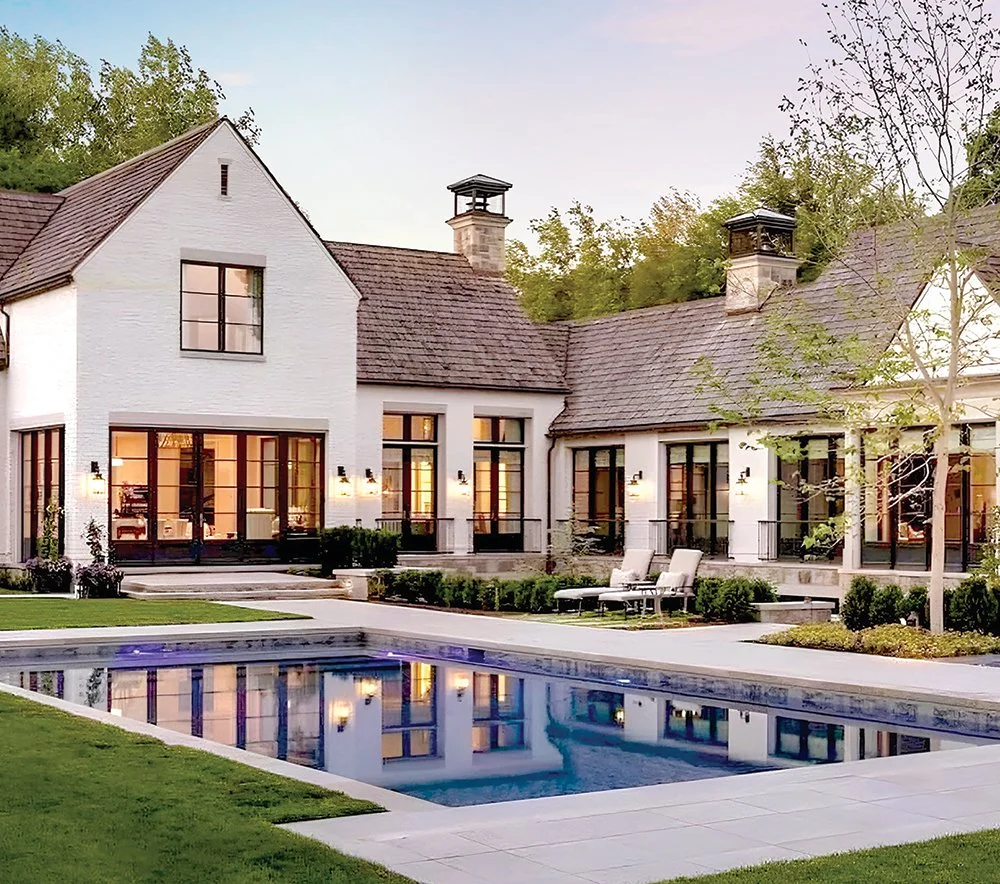
Why So Few Homes Sell in Newport Heights Each Year
Understanding the 3% turnover rate—and what it means for buyers and sellers
There’s a reason Newport Heights feels different.
Not just in how it looks—but in how it moves. In most neighborhoods, homes turn over regularly. Families move, lifestyles change, and inventory cycles through the market at a predictable pace. Newport Heights doesn’t follow that pattern. Only a small percentage of homes here sell each year—typically around 2.5% to 3.5% annually. In real terms, that means just a handful of properties come to market in any given month.
So why is turnover so low?
It comes down to a combination of factors that are unique to this pocket of Newport Beach.
1. Long-term ownership is the norm
Many homeowners in Newport Heights have been here for years—often decades. This isn’t a transitional neighborhood. It’s a place people grow into and hold onto.
2. Financial friction to sell is high
With many owners locked into historically low mortgage rates, the incentive to move has diminished. Selling often means trading into a higher rate environment—something many simply choose to avoid.
3. The lifestyle is hard to replace
Walkability, proximity to the coast, top-tier schools, and a quiet residential feel—few neighborhoods offer the same balance. Once people are here, there’s rarely a compelling reason to leave.
4. Limited land, consistent demand
There’s no meaningful expansion coming to Newport Heights. Supply is fixed, while demand—especially from high-net-worth buyers—remains steady.
What this means for buyers
Low turnover creates a different kind of market. Opportunities don’t appear often—and when they do, they tend to be competitive. Buyers waiting for “more inventory” often find themselves waiting longer than expected. In this environment, timing matters more than volume. The right property doesn’t just come along—it needs to be recognized and acted on quickly.
What this means for sellers
Scarcity creates leverage—but only when paired with the right strategy. Because inventory is limited, well-positioned homes tend to attract strong attention. But today’s buyers are highly informed. They recognize value instantly—and they also recognize when something is mispriced. In a low-turnover neighborhood, the homes that sell best are the ones that:
Enter the market with intention
Are priced in alignment with current demand
Are presented at a level that matches buyer expectations
A different way to think about the market
In Newport Heights, real estate isn’t driven by urgency—it’s driven by timing. Most homeowners aren’t looking to sell. But when life creates a reason—whether it’s a change in family needs, a new opportunity, or a strategic decision—that’s when movement happens. And when it does, those moments tend to define the market.
Final thought
In a neighborhood where very few homes trade each year, understanding the dynamics behind that scarcity is everything.